
The Explorer’s Toolkit: Essential Tools for Lifelong Self-Education

Imagine spending twelve or more years in mandatory schooling, only to walk away having forgotten the vast majority of the facts, dates, formulas, and details crammed into your brain. This is the predictable outcome of an education system obsessed with turning every child into a walking encyclopedia of Renaissance-level breadth.
The current model of mandatory schooling prioritizes breadth over depth and content delivery over skill-building. It attempts to create well-rounded “Renaissance men and women” by packing curricula with disconnected facts across dozens of subjects. The result is a tremendous waste: precious time, taxpayer resources, and children’s developmental years squandered on knowledge that fades rapidly once the final bell rings.
It is time for a fundamental shift. Mandatory schooling should focus on equipping students with the essential tools for learning and self-education. Once they have these tools, students should be free to explore subjects that ignite their curiosity. This approach does not abandon education—it transforms it into something sustainable, motivating, and truly lifelong.
The Tools Academic Explorers Need
Instead of chasing comprehensive factual coverage, schools should explicitly teach the meta-skills that enable independent learning for life. These form the complete toolkit every student needs:
Foundational literacies — How to read fluently with deep comprehension, write clearly and persuasively, and perform basic mathematics with confidence. These are the bedrock skills that unlock every other domain.
Critical thinking and reasoning — How to analyze arguments, identify biases, evaluate evidence, and draw logical conclusions. Students learn to question assumptions and think their way through complex problems rather than accepting information at face value.
Question-asking and inquiry skills — The art of formulating good questions that drive deeper exploration. Powerful questions turn vague curiosity into focused investigation and reveal what is truly worth knowing.
Information navigation — How to find reliable answers, evaluate sources for credibility and relevance, and synthesize information from multiple perspectives. This includes organizing notes, building knowledge networks, and distinguishing signal from noise.
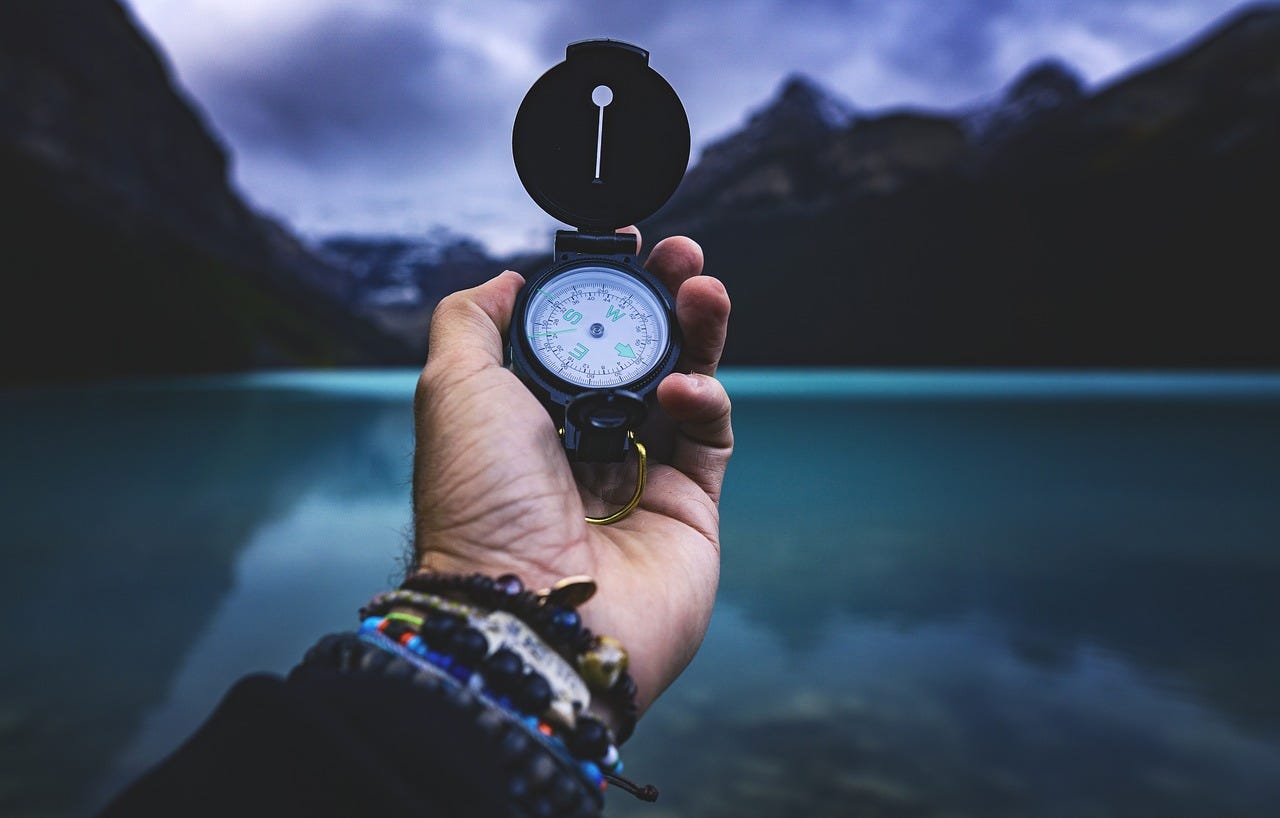
Metacognition — Thinking about one’s own thinking. Students learn to plan their approach to a task, monitor their progress and understanding in real time, reflect on what worked or didn’t, and adjust strategies accordingly. This is the compass that keeps the entire toolkit oriented toward effective learning.
These are not “soft” or optional skills. They are the operating system for the mind. With them, students become capable of mastering any subject they choose later in life—whether quantum physics, historical analysis, coding, creative writing, or entrepreneurship.
How Explorers Use the Toolkit
The tools come alive through deliberate, repeated practice in meaningful contexts. A student might read a complex text while annotating main ideas and questions that arise. They could set a learning goal for a personal project, break it into steps, monitor their understanding along the way, and reflect afterward on what strategies were most effective.
When researching a topic that sparks interest, they formulate sharp questions, seek out varied sources, evaluate those sources critically, and synthesize the best information into their own understanding. Critical thinking helps them test ideas, consider counterarguments, and refine their conclusions. Metacognition ensures they notice when they are confused or off-track and pivot to a better approach.
Over time, these practices become second nature. Students move from guided exercises to independent inquiry, using the toolkit to explore passions and solve real problems.
Maintaining and Caring for the Tools
No toolkit stays sharp without regular care and maintenance. Students must learn habits that keep these skills strong and adaptable across a lifetime:
Deliberate practice and spaced review — Regularly revisit core skills and concepts at increasing intervals rather than cramming. This strengthens retention and builds fluency.
Reflection routines — End learning sessions with simple questions: What went well? What was challenging? What will I do differently next time? Journals or brief discussions make reflection habitual.
Goal-setting and self-monitoring — Break big goals into manageable steps, track progress, and adjust as needed. This builds ownership and resilience.
Seeking feedback and collaboration — Share work with peers or mentors, explain concepts to others (which deepens understanding), and learn from different perspectives.
Adaptability and updating — Stay open to new methods, technologies, and resources. Treat the toolkit as something that evolves with experience and changing circumstances.
Mindset and well-being — Cultivate a growth mindset that views challenges as opportunities to sharpen the tools. Support this with healthy habits that sustain focus and energy.
These maintenance practices turn isolated skills into lifelong strengths. Students who internalize them continue learning effectively long after formal schooling ends.
Autonomy Ignites True Mastery
When students receive these tools and then enjoy structured freedom—core skill-building early on, followed by increasing choice in projects, electives, and pathways—motivation soars. Curious minds explore more effectively when they care about the destination. A student passionate about marine biology will dive far deeper into related sciences and writing than one forced through a standardized checklist.
This model produces explorers who do not merely consume knowledge; they produce it. They become the next teachers, innovators, and problem-solvers because they have practiced discovery rather than recitation. They dictate their own educational journeys and, in doing so, enrich the world with what they unlock.
A Better Vision for Schooling
The goal of education should never be to create temporary repositories of facts. It should be to create capable, curious, self-directed human beings who continue learning, creating, and sharing for the rest of their lives.
By shifting mandatory schooling’s emphasis to these tools—foundational literacies, critical thinking, inquiry, information navigation, and metacognition—we stop wasting time on what will be forgotten. We invest in what endures: the ability to learn anything, anytime, anywhere.
Let students become academic explorers. Give them the map-reading skills, the compass of critical thinking, the question-asking curiosity, and the freedom to choose their terrain. They will retain more of what matters to them, discover new knowledge, share it generously with others, and keep the flame of learning alive across their lifetimes.
The Renaissance ideal was never really about knowing everything. It was about the capacity to think, create, inquire, and explore. It is time our schools honored that spirit again.