
Learning from Fools: Why the Wise Embrace Open Discourse and Reject Censorship

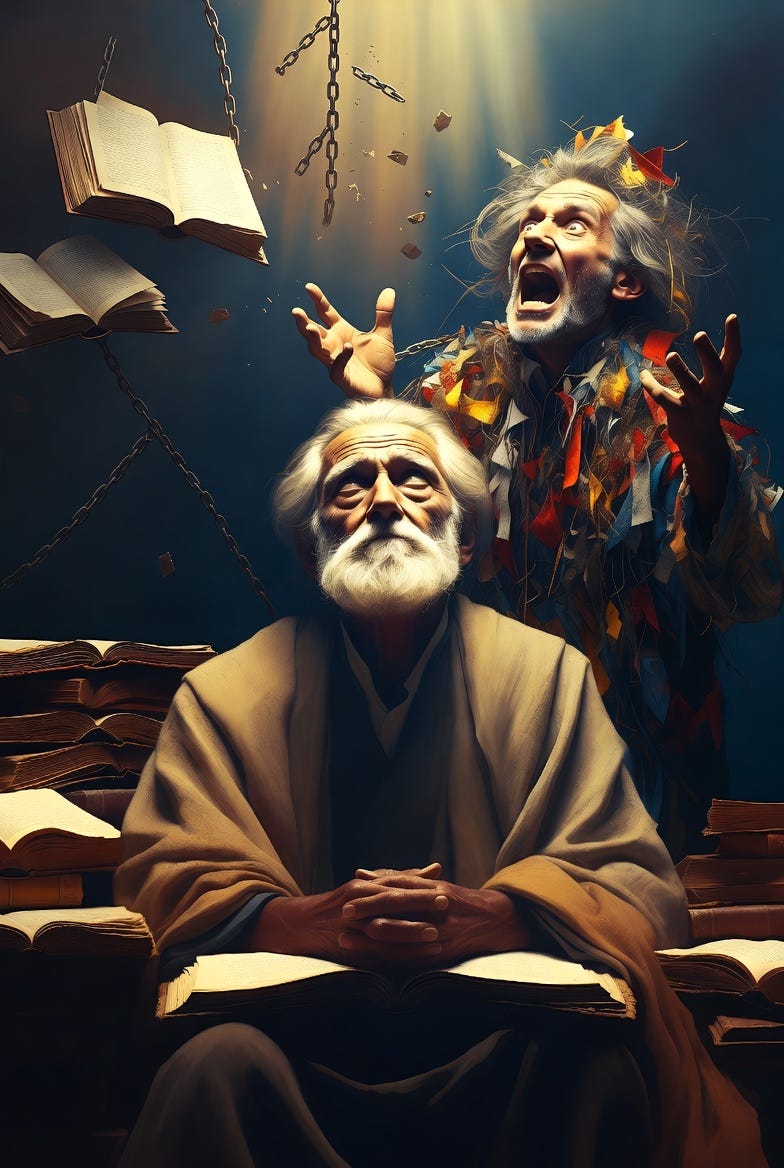
Fools aren’t willing to learn from anyone—not even from the wise—while the wise are willing to learn from everyone—even from fools. It is a challenge to talk with fools sometimes, but they do have things to teach. Hearing the lessons just requires long-suffering.
This is another reason why I disagree with censorship. Fools will try to silence who they perceive to be fools, and even the wise among them, seeing them as fools too. Censorship not only infringes upon the right of others to speak but also the rights of hearers to learn from both the fools and the wise.
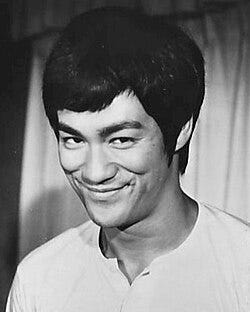
This insight finds powerful echoes across centuries and traditions. Bruce Lee captured the essence of intellectual humility with striking clarity: “A wise man can learn more from a foolish question than a fool can learn from a wise answer.”1 True wisdom lies not in dismissing the flawed or the incomplete, but in mining every interaction for nuggets of truth. The wise approach even foolish speech with openness, extracting value where others see only error.
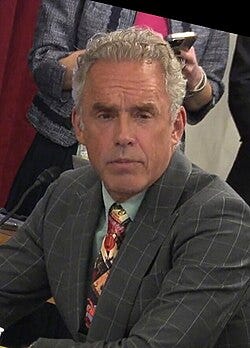
Jordan Peterson reinforces this through his emphasis on epistemic humility: “Humility: It is better to presume ignorance and invite learning than to assume sufficient knowledge and risk the consequent blindness.”2 The wise remain aware of their own limitations. They do not cling rigidly to what they already know but actively seek correction and expansion—even from unexpected or disagreeable sources. This posture of openness is the opposite of the fool’s defensiveness.
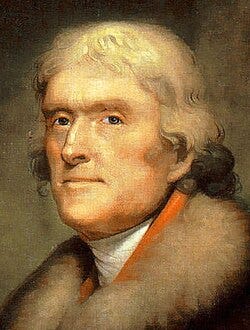
Thomas Jefferson understood that free inquiry and open expression are indispensable to truth and liberty. He declared that the University of Virginia would be based on “the illimitable freedom of the human mind. For here we are not afraid to follow truth wherever it may lead, nor to tolerate any error so long as reason is left free to combat it.”3 Jefferson trusted that truth would prevail in the open marketplace of ideas. Suppressing voices, even erroneous ones, undermines the very process by which knowledge advances and societies remain free.
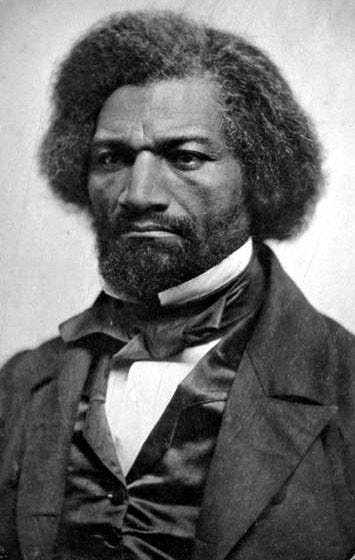
Frederick Douglass, who knew firsthand the tyrannical impulse to silence, delivered one of the most direct condemnations of censorship: “To suppress free speech is a double wrong. It violates the rights of the hearer as well as those of the speaker. It is just as criminal to rob a man of his right to speak and hear as it would be to rob him of his money.”4 Douglass experienced how those in power—fools and tyrants alike—seek to control knowledge to maintain control over people. By defending the right to both speak and hear, he affirmed that intellectual and moral growth requires unrestricted access to the full range of human thought.
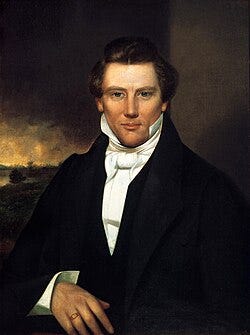
Finally, Joseph Smith articulated a bold, expansive vision for truth-seeking: “One of the grand fundamental principles of Mormonism is to receive truth, let it come from whence it may.”5 He urged gathering all that is good and true from every source, refusing to limit wisdom to familiar channels or approved voices. This principle aligns perfectly with the willingness of the wise to learn even from fools: truth is not the exclusive property of the learned or the powerful. It can emerge anywhere, and the humble seeker will recognize and embrace it.
Together, these voices strengthen the case against censorship. When fools silence others, they reveal their own folly. When societies permit or encourage such silencing, they starve the conditions for wisdom to flourish. The path of the wise—marked by long-suffering, humility, and radical openness—requires the full freedom to speak, to listen, and to sift truth from error in the open light of day. In defending this freedom, we do not merely protect individual rights. We safeguard the very possibility of human growth and enlightenment.
Bruce Lee, Striking Thoughts: Bruce Lee’s Wisdom for Daily Living, ed. John Little (North Clarendon, VT: Tuttle Publishing, 2000), 121.
Jordan B. Peterson, Beyond Order: 12 More Rules for Life (New York: Portfolio/Penguin, 2021), 17.
Thomas Jefferson to William Roscoe, December 27, 1820, in The Papers of Thomas Jefferson, Retirement Series, vol. 16, ed. J. Jefferson Looney et al. (Princeton, NJ: Princeton University Press, 2004–), 379–80. (This is the standard scholarly citation for the “illimitable freedom of the human mind” passage regarding the University of Virginia.)
Frederick Douglass, “A Plea for Free Speech in Boston,” speech delivered at Music Hall, Boston, December 9, 1860, in The Frederick Douglass Papers, Series One: Speeches, Debates, and Interviews, vol. 3, 1855–1863, ed. John W. Blassingame and John R. McKivigan (New Haven: Yale University Press, 1985), 488–89.
Joseph Smith, journal entry for July 9, 1843, in History of the Church of Jesus Christ of Latter-day Saints, vol. 5, ed. B.H. Roberts, 2nd ed. rev. (Salt Lake City: Deseret Book, 1978), 499. (Also commonly cited in Teachings of the Prophet Joseph Smith, comp. Joseph Fielding Smith, 313.)